It was Englishman John Bunyan’s book Pilgrim’s Progress from This World, to That Which Is to Come, first published in 1678, that has done most to romanticise the way of the Pilgrim. Although written for the faithful, or ‘Christian Curious’, the book has all the elements for a great adventure story. Full of odd characters, quests, challengers, disappointments and triumph. C. S. Lewis & R. J.Tolkien were among a host of writers influenced by Bunyan’s work. No wonder the books been made into an animated children’s movie!
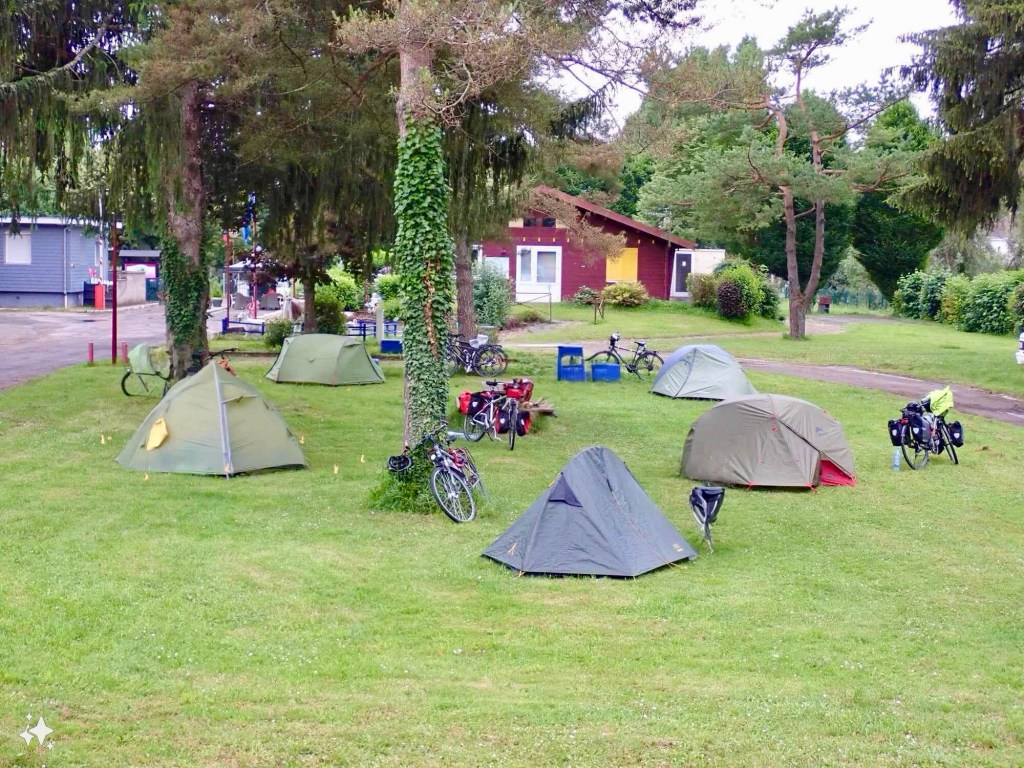
The sweet aroma of burning chestnut tree wood from the farmhouse fires lingers in the early morning as we cycle amongst the plump grape vines below the slopes of the Haut-Vosges in Eastern France. We are riding a section of the Euro Velo 5 route: Romeo Fracigena, the Pilgrim’s route. It transverses over 3,000 kilometres across seven countries from Canterbury in England to Rome in Italy. One of many Pilgrim routes across Europe connecting the faithful to cathedrals and other places of worship.
“Walker Up” calls Therese, as a lone pilgrim appears on the path ahead. This one without trekking poles, but a grimace, perhaps a hair shirt or a stone in their shoe.
Cyclists are recent interlopers along trails trod by pilgrims for hundreds of years. That’s not to say a scattering of the cyclists we meet are not themselves seeking some higher awareness. Travelling alone, or with others, with an ultimate destination in mind that will require a measure of sacrifice and discomfort to reach. I hardly imagine any of them are given over to self flagellation. However, cycle tourists are notoriously prone to rituals and superstitions.
Cycling along the Rhine in Germany at Rhens, we stop to fill our cycling bidons at the Rhens mineral fountain. The spring has been documented to have existed as far back as the 1370’s. Pilgrims and cyclists can supply themselves with mineral water directly from the spring at any time of the day or night free of charge. While it may not have given us wisdom, the spring water sure quenches a thirsty cyclist.
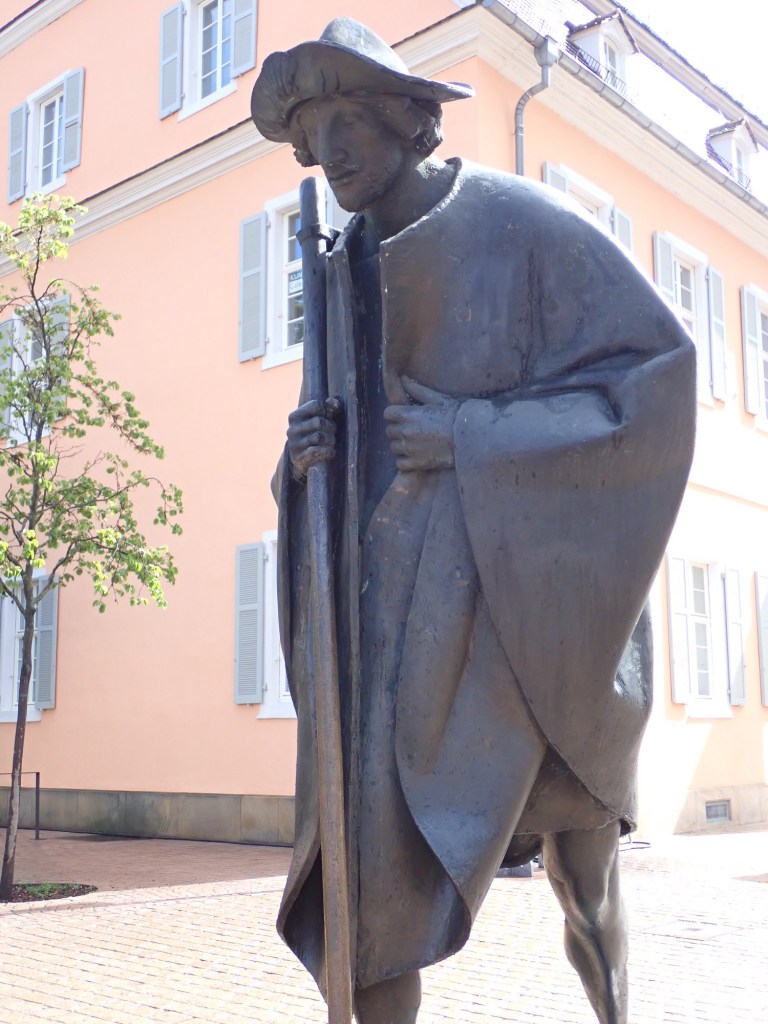
I saw that in front of the imperial cathedral in Speyer, a sculpture depicting a typical medieval pilgrim on his journey along the Way of James to the Cathedral of Santiago de Compostela in Spain.
It seems that religious devotion isn’t a pre-requisite to undertake a pilgrimage.
I have met many a ‘lightweight pilgrim‘, easy going secular folk, who enjoy the journey and camaraderie of the path, without the need to carry a religious burden.
It’s been recognised worldwide, across all religious faiths and secular pursuits, interest in pursuing a pilgrimage of some type is booming. Such journeys can be both intensely personal, or encompass those universal themes that unite us all in the human experience.
I met a woman who was travelling a long way to her mother’s village. part penance, part devotion. It seemed suffering, or at least physical discomfort, was an essential element of her travel and path to redemption.
Across the French countryside statues of Jesus on the cross and grottos to Mother Mary are everywhere, perhaps to terrify and inspire the locals in equal measure.
After a particularly sharp climb one hot afternoon Therese and I stop to revive our flagging spirits in the shade of a cross.
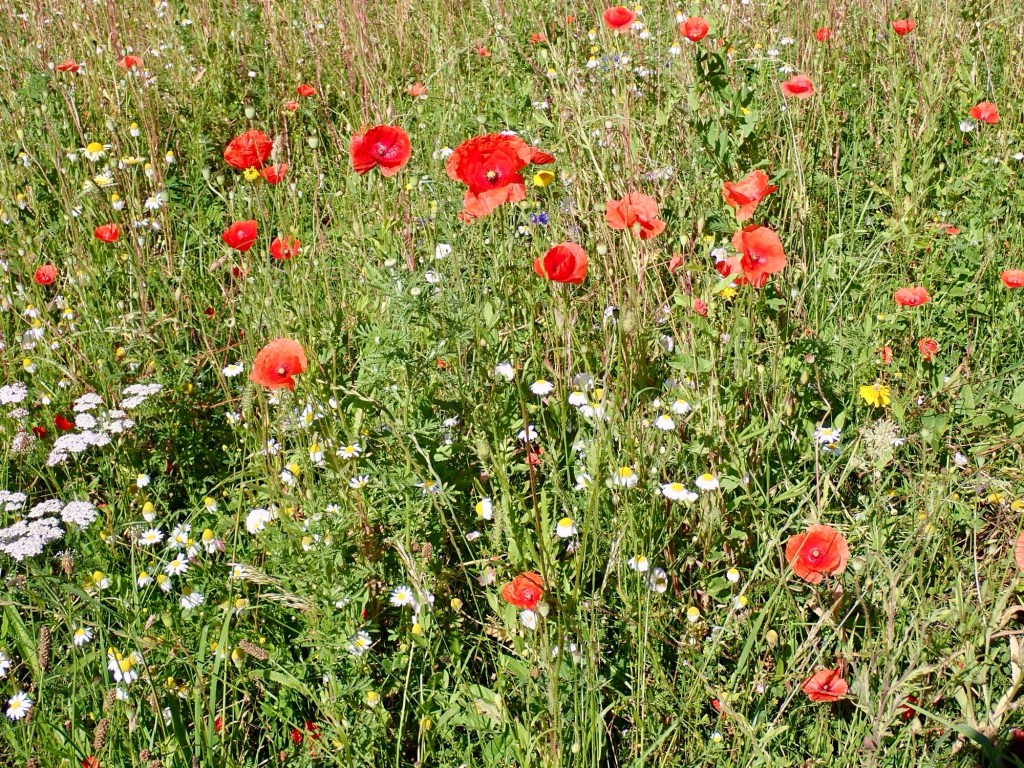
Sitting among the roadside wildflowers, here on my own cycling pilgrimage, I’m not seeking salvation or a blessing, just fair winds and sunshine. Ah but the cycling gods are fickle my friends.





 Cycle Touring Australia and Beyond
Leave a comment